

Trying to improve your credit score? You’re not alone. According to a NerdWallet survey, 4 out of 5 Americans are actively working on their credit. Having a good credit score is a powerful financial tool — it opens doors to lower interest rates, higher credit limits, and even affects major life decisions like renting an apartment, landing a job, or qualifying for better insurance premiums.
While there’s no magic fix, there are proven steps you can take to raise your credit score as quickly and effectively as possible.
In this post, we’ll break down what a credit score is, why it matters, and the expert-backed strategies you can start using today.
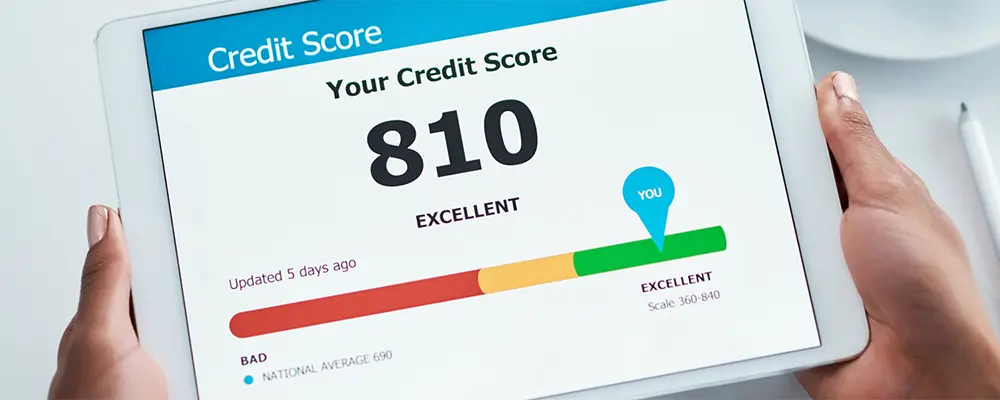
What Is a Credit Score and Why Is It So Important?
Most lenders use FICO scores to evaluate creditworthiness. This number is a snapshot of your credit history and financial behavior, calculated from five key categories:
- Payment history (35%)
- Amounts owed (30%)
- Length of credit history (15%)
- New credit (10%)
- Credit mix (10%)
Understanding these factors gives you a clearer picture of where to focus your energy for improvement.
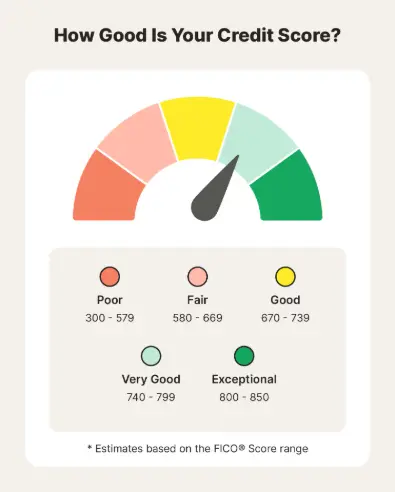
FICO Credit Score Ranges
FICO scores range from 300 to 850. While any upward movement is helpful, the closer your score gets to 850, the better your financial options become. Here’s how FICO scores are typically categorized:
- 800–850: Exceptional
- 740–799: Very Good
- 670–739: Good
- 580–669: Fair
- 300–579: Poor
A score of 670 or above is considered “Good,” but aiming higher can mean big savings on loans and credit.
Key Steps to Improve Your Credit Score Quickly
Improving your credit score takes proactive effort. Here are the top expert-recommended steps:
1. Check Your Credit Report Carefully
Start by knowing where you stand. Request a free copy of your credit report from all three major credit bureaus: Equifax, Experian, and TransUnion. Review your report for common errors like:
- Incorrect name, address, or phone number
- Accounts that belong to someone else
- Fraudulent accounts due to identity theft
- Closed accounts reported as open
- Late payments that were actually made on time
- Duplicate listings of the same debt
- Incorrect balances or credit limits
If you spot errors, dispute them immediately with the bureau and the reporting creditor. Fixing even one mistake can give your score a quick boost.
2. Pay Down Your Debt
Your credit utilization ratio — the amount of credit you’re using versus your total credit limit — plays a huge role. Aim to keep utilization below 30%. For example, if you have a $5,000 credit limit, try to keep balances under $1,500. Prioritize paying off high-interest debt to help your score and your wallet.
3. Always Pay On Time
Your payment history makes up the largest part of your score. Never miss a due date. Set up auto-pay or reminders to help you stay on track. A consistent record of on-time payments is one of the fastest ways to build your score over time.


5. Consider a Secured Credit Card
If you have limited or damaged credit history, a secured credit card can be a great way to rebuild. It requires a deposit equal to your credit limit, and reports your usage to credit bureaus. Use it responsibly to slowly build your score. Just watch out for annual fees and high interest rates.
6. Monitor Your Credit Regularly
Stay informed. Use free credit monitoring tools or apps — many credit card companies offer this as a free perk. Watching your progress can help you spot issues early and stay motivated.
Bonus Tip: Diversify Your Credit Mix
If all you have are credit cards, consider adding a different type of account, like a car loan or a small personal loan. A healthy mix of revolving and installment credit shows lenders that you can handle various types of financial responsibilities.
Conclusion:
Improving your credit score takes time, consistency, and patience — but the payoff is well worth it. With better credit, you gain access to more opportunities, lower costs, and greater financial freedom.
📈 Start today by taking control of your credit. Every step you take brings you closer to your goals.
📞 Call us today at +1 (484) 274-6782
🌐 Contact us online for a Free Consultation!
Contact us TODAY and schedule an appointment!
¿Quieres mejorar tu puntaje de crédito? No estás solo. Según una encuesta de NerdWallet, 4 de cada 5 estadounidenses están trabajando activamente para mejorar su crédito. Un puntaje alto no solo te da acceso a tasas de interés más bajas y límites de crédito más altos, también puede influir en decisiones clave como alquilar un apartamento, conseguir un empleo o pagar menos por tu seguro.
Aunque no existen soluciones mágicas, hay acciones concretas que puedes tomar desde hoy para empezar a subir tu puntaje de crédito.
En esta guía completa te explicamos qué es un puntaje de crédito, por qué es tan importante y los pasos prácticos que puedes aplicar para aumentarlo lo más rápido posible.
¿Qué es un Puntaje de Crédito y Por Qué es Importante?
El puntaje de crédito más usado por los prestamistas es el FICO, que se basa en cinco factores principales:
- Historial de pagos (35%)
- Monto adeudado (30%)
- Antigüedad del historial de crédito (15%)
- Crédito nuevo (10%)
- Combinación de tipos de crédito (10%)
Conocer estos factores te ayudará a enfocar tus esfuerzos donde más impacto pueden tener.
Rangos del Puntaje FICO
Los puntajes FICO van de 300 a 850. Mientras más alto, mejor:
- 800 a 850: Crédito Excepcional
- 740 a 799: Muy buen crédito
- 670 a 739: Buen crédito
- 580 a 669: Crédito regular
- 300 a 579: Mal crédito
Si tu puntaje está por debajo de 670, es una buena idea trabajar para subirlo. Idealmente, deberías apuntar a los 740 o más.
¿Cómo Mejorar tu Puntaje de Crédito Rápidamente?
Aquí tienes los pasos clave para mejorar tu crédito de forma eficaz:
1. Revisa tu Informe de Crédito
Solicita tu informe de crédito gratuito en AnnualCreditReport.com y examínalo con cuidado. Busca errores comunes como:
- Datos personales incorrectos
- Cuentas duplicadas
- Pagos marcados como atrasados cuando no lo fueron
- Cuentas que no reconoces
Si encuentras errores, presenta una disputa directamente con la agencia de crédito (Equifax, Experian o TransUnion). Corregir errores puede mejorar tu puntaje casi de inmediato.
2. Reduce tus Deudas
Disminuir tu índice de utilización de crédito es una de las formas más rápidas de subir tu puntaje. Trata de mantener los saldos de tus tarjetas por debajo del 30% de tu límite total. Por ejemplo, si tienes $5,000 disponibles, intenta usar menos de $1,500.
3. Paga a Tiempo, Siempre
Tu historial de pagos es el factor más importante (35%). Usa alertas o pagos automáticos para no olvidar fechas de vencimiento. Cada pago puntual fortalece tu historial.
4. Evita Abrir Muchas Cuentas Nuevas
Solicitar varias líneas de crédito en poco tiempo puede afectar tu puntaje. Mejor enfócate en administrar bien tus cuentas actuales.
5. Considera una Tarjeta Asegurada
Si tienes mal crédito o historial limitado, una tarjeta de crédito asegurada puede ayudarte. Solo recuerda que suelen tener tasas de interés más altas y tarifas anuales.
6. Monitorea tu Puntaje de Crédito
Revisa tu puntaje con frecuencia para detectar mejoras o problemas. Muchas instituciones financieras ofrecen monitoreo gratuito para sus clientes.
Consejo adicional: Diversifica tu Tipo de Crédito
Tener una combinación de tarjetas de crédito (crédito rotativo) y préstamos personales o de auto (crédito a plazos) puede demostrar que sabes manejar diferentes tipos de deuda.
Conclusión:
Subir tu puntaje de crédito requiere disciplina y seguimiento, pero los beneficios son enormes: mejor acceso a crédito, más poder de negociación y tranquilidad financiera.
En Unitax Solutions, entendemos lo importante que es tener un buen historial financiero. Si necesitas ayuda con tus impuestos, planificación financiera o deseas hablar con un asesor sobre cómo mejorar tu crédito, ¡contáctanos hoy mismo!
📞 Call us today at +1 (484) 274-6782
🌐 Contact us online for a Free Consultation!
Contact us TODAY and schedule an appointment!