

Why Saving $1,000 Matters!
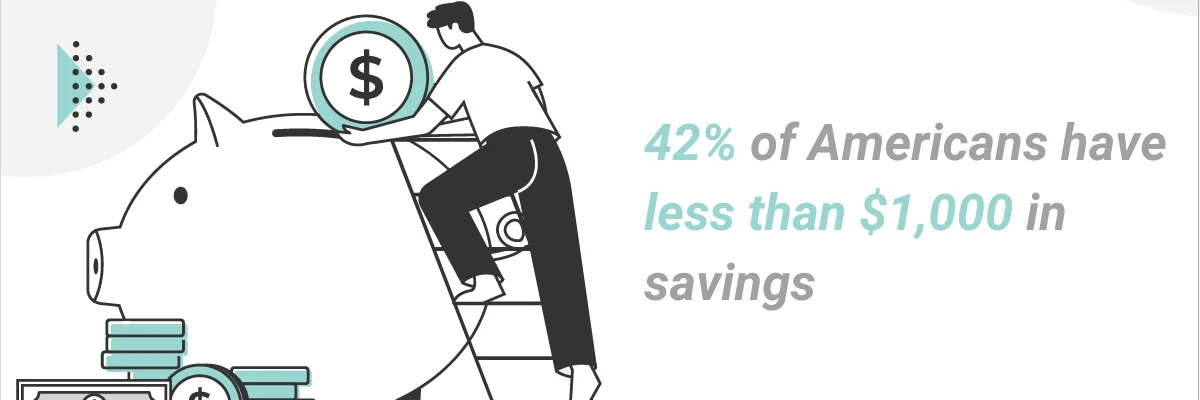
Most Americans have less than $1,000 in savings—often due to low wages, high living costs, and debt. But even a small emergency fund can make a big difference. Whether you’re preparing for a rainy day or working toward financial freedom, saving your first $1,000 is a crucial milestone.
Here’s how to get started—even if you feel like saving is impossible right now.
1. Open a Dedicated Savings Account
If your cash is still under the mattress—it’s time to level up. Keeping your money in a savings account (ideally with a high interest rate and no monthly fees) not only protects it, but also helps it grow.
To open an account, you usually need:
- A photo ID
- Your Social Security number
- A small initial deposit
Look for banks that offer online account access and automatic transfers to make saving even easier.
2. Start Small and Build the Habit
Forget saving 20% right away—if that feels overwhelming, start with just $10 or $20 per paycheck. The key is consistency.
Saving a small amount regularly builds confidence. Once you’re comfortable, you can gradually increase the amount. Even $5 a week adds up over time!
Pro tip: Treat savings like a bill that must be paid each month.

3. Track Your Spending and Identify Waste
It’s hard to save when you don’t know where your money is going. Review your monthly spending and take note of unnecessary expenses. You might be surprised by how much you spend on dining out, unused subscriptions, or impulse buys.
Ask yourself:
- What are my fixed vs. flexible expenses?
- Where can I cut back—without sacrificing my quality of life?
- Am I spending more than I earn?
If your budget is tight, consider finding a side hustle to earn extra cash. Some ideas:
- Drive for Uber, Lyft, or delivery services like DoorDash
- Sell unused items online
- Do freelance gigs on Fiverr or Upwork
- Offer services like dog walking, tutoring, or furniture assembly
4. Cut Back on Little Luxuries (But Don’t Eliminate Joy)
You don’t have to stop living to start saving. Instead, look for creative ways to reduce costs without giving up everything you love.
Try this:
- Brew your own coffee instead of buying it daily
- Cancel unused subscriptions
- Switch to a cheaper phone or cable plan
- Shop at discount stores or use cashback apps
- Go to free local events or Happy Hour instead of expensive outings
- Pack lunch a few days a week
These small sacrifices add up and can help you reach $1,000 faster.
5. Automate Your Savings
One of the biggest mistakes people make is forgetting to transfer money to savings. The fix? Set up automatic transfers.
Most banks allow you to schedule recurring transfers from checking to savings. Do this right after payday so you’re not tempted to spend it. Out of sight, out of mind—and into your savings account.

Start Today — Your Future Self Will Thank You
Saving your first $1,000 may seem hard, but it’s completely achievable with the right mindset and a few smart habits. Start small, stay consistent, and celebrate your progress.
If you need help with budgeting, taxes, or financial planning, UNITAXSOL.COM is here to support your journey to financial stability.
📌 Contact us today or explore our blog for more helpful financial tips.
📞 Call us today at +1 (484) 274-6782
🌐 Contact us online for a Free Consultation!
Contact us TODAY and schedule an appointment!
¿Por Qué Es Importante Ahorrar $1,000?
La mayoría de los estadounidenses tienen menos de $1,000 ahorrados. Esto se debe, en muchos casos, a salarios bajos, alto costo de vida y deudas. Pero tener aunque sea un pequeño fondo de emergencia puede marcar una gran diferencia.
Ahorrar tus primeros $1,000 es un paso importante hacia la estabilidad financiera, y sí, es posible lograrlo, aunque hoy sientas que no puedes.
1. Abre una Cuenta de Ahorros Dedicada
Si todavía guardas dinero en efectivo debajo del colchón… ¡es hora de cambiar eso!
Una cuenta de ahorros no solo protege tu dinero, sino que también te permite ganar intereses y ver crecer tu fondo.
¿Qué necesitas para abrirla?
- Una identificación con foto
- Tu número de Seguro Social
- Un pequeño depósito inicial
Busca cuentas con intereses altos y sin comisiones mensuales. Si es digital y te permite hacer transferencias automáticas, ¡mejor!
2. Empieza Con Poco y Forma el Hábito
No necesitas comenzar ahorrando el 20% de tu ingreso. Si eso suena imposible, intenta guardar solo $10 o $20 por cheque. La clave es la consistencia.
Ahorrar pequeñas cantidades de forma constante te da confianza y crea el hábito. Luego podrás aumentar gradualmente.
Consejo extra: Trata tus ahorros como si fueran una factura más que debes pagar.
3. Revisa Tus Gastos y Detecta Fugas
Ahorrar se vuelve difícil si no sabes en qué se te va el dinero.
Haz un análisis de tus gastos mensuales y detecta lo innecesario. Muchas veces, no te das cuenta de cuánto gastas hasta que lo ves por escrito.
Pregúntate:
- ¿Cuáles son mis gastos fijos y cuáles son opcionales?
- ¿En qué puedo recortar sin afectar mi calidad de vida?
- ¿Estoy gastando más de lo que gano?
¿Tu presupuesto está muy justo? Considera buscar una fuente de ingreso extra. Algunas ideas:
- Manejar para Uber o Lyft
- Hacer entregas con DoorDash, Postmates o Instacart
- Vender cosas que ya no usas
- Ofrecer servicios freelance en plataformas como Fiverr o Upwork
- Pasear perros o armar muebles en tu comunidad
4. Reduce Lujos Pequeños (Sin Dejar de Disfrutar la Vida)
No necesitas renunciar por completo a lo que te gusta.
La clave está en reducir gastos sin eliminar por completo tus placeres.
Aquí algunas ideas:
- Prepara tu café en casa algunos días
- Cancela suscripciones que no usas
- Cambia a planes más económicos de celular, cable o internet
- Compra en tiendas con recompensas o descuentos
- Cocina en casa y lleva tu almuerzo al trabajo
- Disfruta eventos gratuitos o ve películas en plataformas gratis como Tubi o PlutoTV
- Aprovecha el Happy Hour para salir gastando menos
Ahorrar dinero no significa dejar de vivir. Solo se trata de ser más inteligente con tus gastos.
5. Programa Transferencias Automáticas
Un error muy común es olvidar mover el dinero a tu cuenta de ahorros.
La solución: automatiza las transferencias.
Casi todos los bancos permiten programar transferencias automáticas de tu cuenta corriente a tu cuenta de ahorros. Hazlo justo después de cobrar tu cheque, así ni te das cuenta y el dinero se guarda antes de gastarlo.
Empieza Hoy — Tu Futuro Te Lo Va a Agradecer
Ahorrar tus primeros $1,000 no es imposible. Solo necesitas tomar decisiones inteligentes y mantener el hábito. Empieza con poco, sé constante y celebra cada avance.
¿Necesitas ayuda para organizar tus finanzas, hacer tu presupuesto o planificar mejor tus impuestos?
En UNITAXSOL.COM estamos aquí para ayudarte en cada paso.
📌 Contáctanos hoy o visita nuestro blog para más consejos útiles sobre finanzas.
📞 Call us today at +1 (484) 274-6782
🌐 Contact us online for a Free Consultation!
Contact us TODAY and schedule an appointment!